Removing “losers” from our lives.
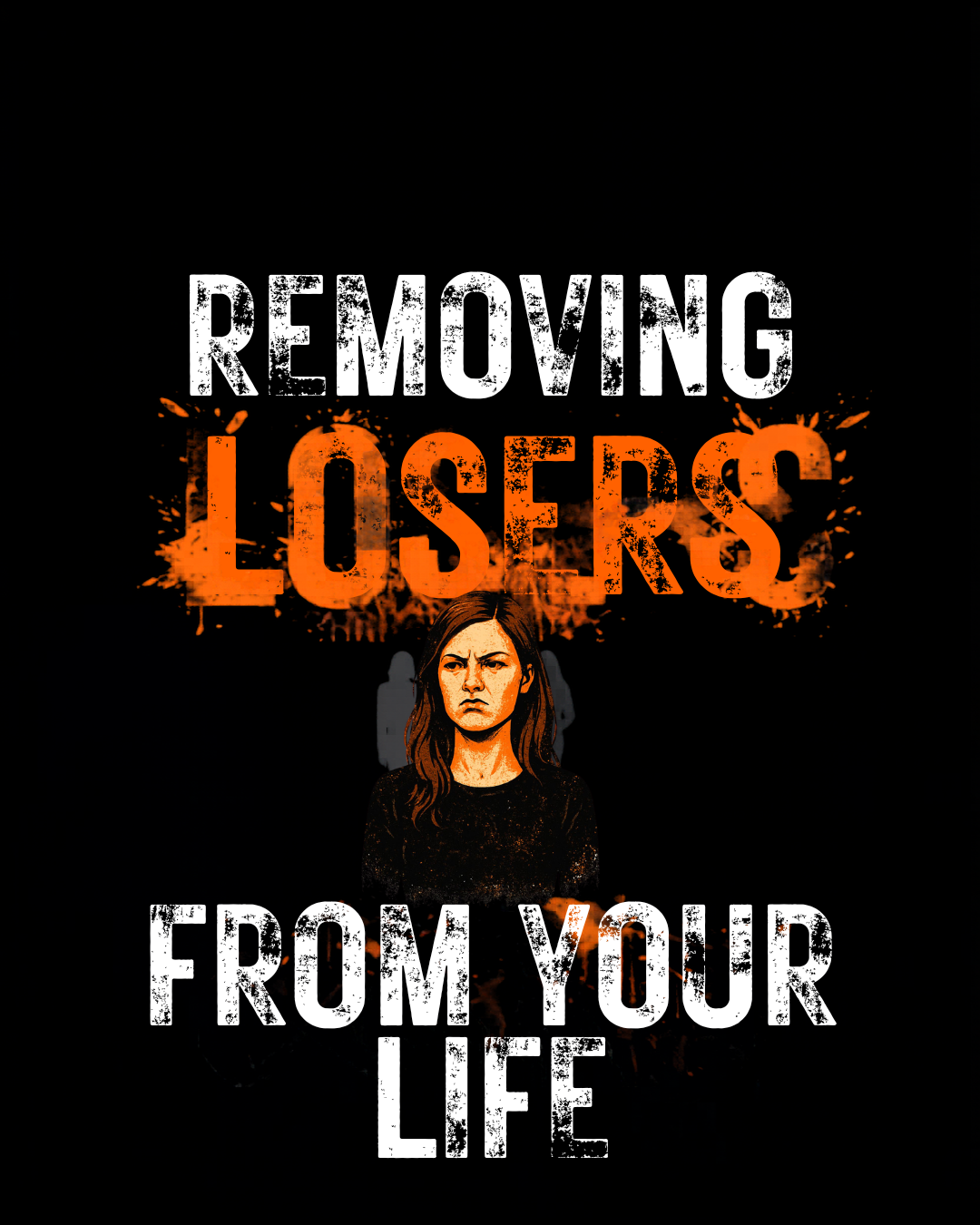
Recovery is a deeply personal journey, one that requires focus, dedication, and the right support system. In previous discussions, we've explored how some individuals view our recovery negatively, perceiving it as a threat to their own comfort or lifestyle. We've likened these individuals to "mouldy fruit," capable of spreading negativity if not removed. Today, we delve deeper into understanding why some people react adversely to someone else's recovery and how to set boundaries with those who hinder your progress. These become the “losers” in our lives as they lose us because of their negative or abusive behaviours.
Understanding Toxic Behaviour in Recovery
The Impact of Abusive Partners
Unhealthy individuals may exhibit abusive behaviours, whether they intend to or not. Such people often perceive themselves as perpetual victims, despite being the architects of their own problems. They may lack accountability and responsibility, showing little self-awareness while surrounding themselves with others who fail to hold them accountable and instead encourage their destructive choices.
People on the far end of this spectrum have been know to show signs of abuse that manifest as threats to harm themselves or you when you attempt to disengage from the toxic relationship. Such behaviour is a clear indicator of underlying mental health issues, which might be undiagnosed or inadequately treated. Abusive people often discourage recovery because they lose their power and control over you when you establish a healthy mindset and set clear boundaries.
Unhealthy individuals may pose various threats to you and those who support your recovery. These threats can manifest in different forms and durations, short and long term if not dealt with properly. It varies depending on the person and their own struggles with control and power over you, and their mental health.
For instance, someone might threaten to harm you physically, which could instil fear and anxiety. They might also threaten to ruin your life by sabotaging your career or personal relationships through deceit or manipulation. Another common threat is to call people you know and start spreading rumors, damaging your reputation and isolating you from your support system. Additionally, these individuals might create other problems, such as financial issues or legal troubles, to further destabilize your life. It's essential to identify these harmful patterns and prioritize your well-being over sustaining a detrimental relationship.
Recognizing these threats and taking proactive measures to protect oneself is essential for safeguarding mental and emotional well-being. In situations where an individual struggles to let go and move on, it may be necessary to contact law enforcement and other community agencies for assistance.
The Pressure from Friends Who Use
Friends who continue to engage in substance use may pose a significant challenge to your recovery. They might try to pressure you into using substances again, seeking to have a companion in their habits or to validate their own use. Additionally, they may feel abandoned or threatened by your decision to stop using, leading to feelings of resentment or hostility. It is essential to address these relationships with care, setting firm boundaries to protect your recovery journey while also considering the possibility of parting ways if they persistently undermine your efforts.
Establishing Boundaries for a Healthier Future
People who attempt to derail your recovery efforts need to be confronted with clear and firm boundaries. Your mental and physical health must take precedence, and setting boundaries is a powerful way to protect yourself. If you find yourself in situations where you are threatened or experiencing intimate partner violence (IPV), it is imperative to seek help. Reach out to law enforcement, community support groups, or mental health professionals who can provide guidance and protection.
Seeking Support and Building a Positive Network
Surrounding yourself with a supportive network is key to a successful recovery. Seek out friends, family members, or support groups who understand your journey and encourage your progress. Engage with communities that promote healthy lifestyles and provide a safe space for you to express your challenges and victories. By removing toxic influences and establishing boundaries are critical steps in ensuring a successful recovery. By prioritizing your health and well-being, you empower yourself to move forward and reclaim your life. Remember, you are not alone, and there are resources available to support you every step of the way.